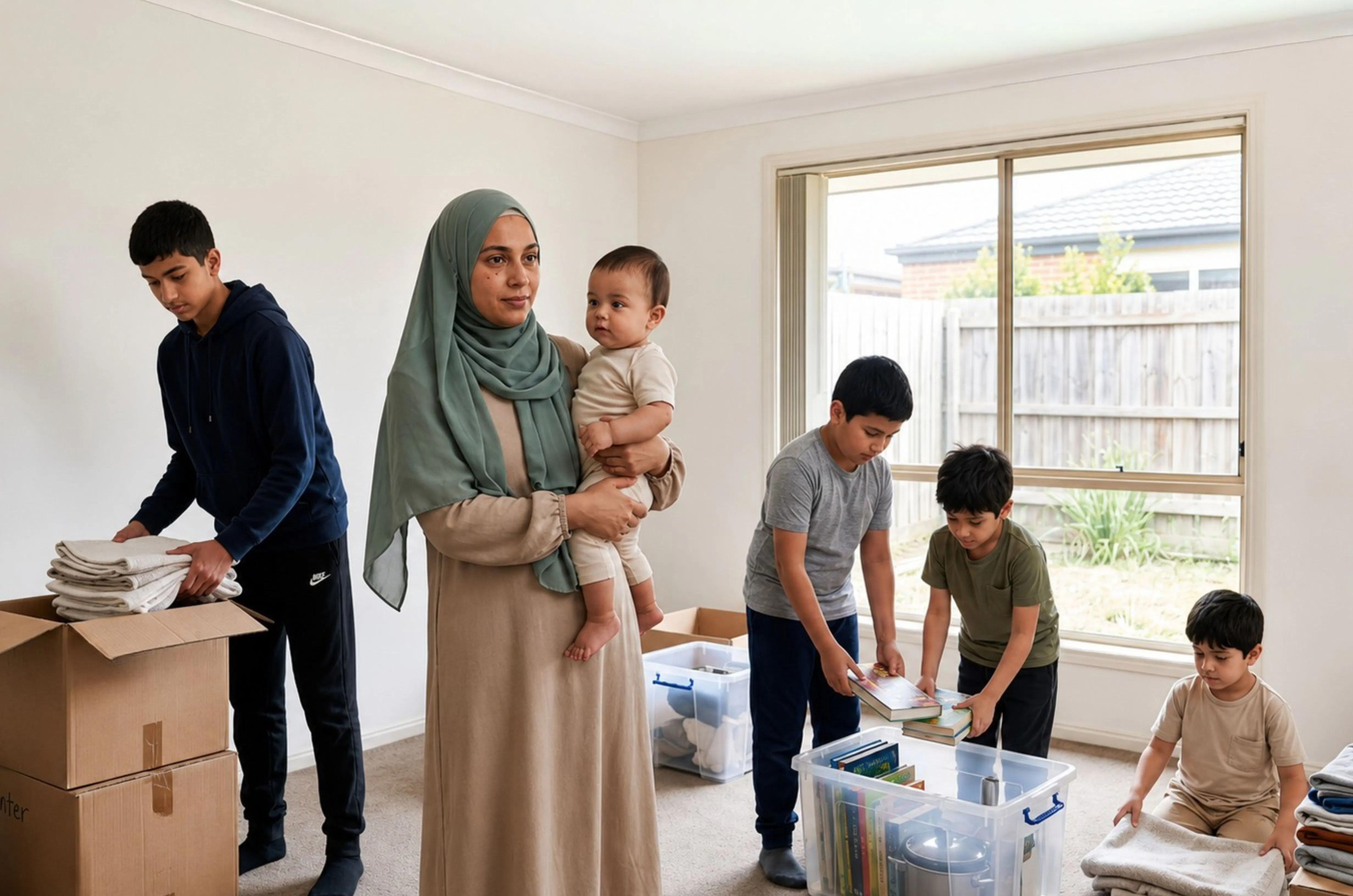
❤️ 25 May 2026: $700 of Zakat distributed to a family facing eviction due to rent arrears in Northern Suburbs, VIC
💬 4 Jun 2026: A sister who converted to Islam and fled domestic violence urgently needs shelter and food. Application from Sydney Region, NSW
❤️ 4 Jun 2026: $1,500 of Zakat distributed to a family in financial hardship in Sydney Region, NSW
💬 3 Jun 2026: A family unable to afford rent or food needs urgent assistance with housing and groceries. Application from Melbourne Region, VIC
💬 3 Jun 2026: A single mother forced to resign due to workplace discrimination needs help with overdue rent and bills. Application from South East Queensland, QLD
💬 2 Jun 2026: A mother of two on a spouse visa fleeing her marriage urgently needs housing. Application from South Western Suburbs, NSW
❤️ 2 Jun 2026: $700 of Zakat distributed to a single mother recovering from surgery facing homelessness in South East Queensland, QLD
💬 4 Jun 2026: A brother made redundant and waiting for Centrelink needs two months' rent urgently. Application from Melbourne Region, VIC
💬 1 Jun 2026: A father with an ill daughter is homeless after losing his son and divorce and needs shelter. Application from Melbourne Region, VIC
❤️ 2 Jun 2026: $2,116 of Zakat distributed to a family facing eviction due to rent arrears in Sydney Region, NSW
💬 3 Jun 2026: A brother needs assistance with an intensive course starting Monday. Application from Melbourne Region, VIC
💬 2 Jun 2026: A new mother on a temporary visa in Bangladesh needs help settling rent arrears in Australia. Application from Sydney Region, NSW
💬 4 Jun 2026: A family struggling with essential bills urgently needs a fridge, heater, and glasses. Application from Melbourne Region, VIC
💬 3 Jun 2026: A Syrian refugee mother facing eviction and health issues needs housing and urgent dental care. Application from South East Queensland, QLD
💬 4 Jun 2026: A medical graduate supporting his mother on Centrelink needs exam fees to complete registration. Application from South East Queensland, QLD
❤️ 2 Jun 2026: $500 of Zakat distributed to a refugee family with young children in Sydney Region, NSW
💬 3 Jun 2026: A single mother of two toddlers fleeing domestic violence needs help with food and bills. Application from Sydney Region, NSW
❤️ 25 May 2026: $5,000 of Zakat distributed to a single mother in financial hardship in Melbourne Region, VIC
💬 2 Jun 2026: A brother out of work for four weeks needs help with rent, phone bills, and groceries. Application from Melbourne Region, VIC
❤️ 25 May 2026: $500 of Zakat distributed to a family facing eviction due to rent arrears in South Western Suburbs, NSW
❤️ 25 May 2026: $400 of Zakat distributed to a brother facing health challenges and unemployment in South East Queensland, QLD
❤️ 2 Jun 2026: $500 of Zakat distributed to a brother recovering from heart surgery in Western Suburbs, VIC
💬 3 Jun 2026: A brother facing eviction cannot afford bond, advance rent, and essential items for his new home. Application from Sydney Region, NSW
💬 1 Jun 2026: A mother fleeing domestic violence is homeless with two young daughters and needs food and warm clothes. Application from Sydney Region, NSW
💬 1 Jun 2026: A family approved for housing in Carramar needs bond and initial rent to move in. Application from South Western Suburbs, NSW
❤️ 25 May 2026: $2,500 of Zakat distributed to a single mother in financial hardship in Sydney Region, NSW
❤️ 2 Jun 2026: $1,000 of Zakat distributed to a single mother in financial hardship in Sydney Region, NSW
❤️ 25 May 2026: $500 of Zakat distributed to a family in financial hardship in Melbourne Region, VIC
❤️ 2 Jun 2026: $5,000 of Zakat distributed to a family facing eviction due to rent arrears in Northern Suburbs, VIC
❤️ 25 May 2026: $4,668 of Zakat distributed to a family facing eviction due to rent arrears in South Western Suburbs, NSW
💬 4 Jun 2026: A single mother struggling with rent and essentials after a relationship breakdown and legal matters. Application from Sydney Region, NSW
💬 1 Jun 2026: A single mother with no income is struggling to care for her daughter. Application from Sydney Region, NSW
❤️ 25 May 2026: $200 of Zakat distributed to a family in financial hardship in Sydney Region, NSW
❤️ 25 May 2026: $980 of Zakat distributed to a Gaza-displaced family rebuilding in Australia in Perth Region, WA
💬 1 Jun 2026: A brother is two weeks behind on rent and facing eviction from his property. Application from Sydney Region, NSW
💬 4 Jun 2026: A student near Sydney Airport needs a vehicle to earn income through rideshare while studying. Application from Sydney Region, NSW
❤️ 2 Jun 2026: $1,000 of Zakat distributed to a family in financial hardship in Melbourne Region, VIC
💬 1 Jun 2026: A household is facing disconnection and urgently needs help to pay their electricity bill. Application from Sydney Region, NSW
💬 3 Jun 2026: A single mother of three fleeing domestic violence needs driving lessons to secure work. Application from Melbourne Region, VIC
💬 4 Jun 2026: A mother fleeing domestic violence after 18 years is in temporary accommodation and needs housing. Application from Sydney Region, NSW
❤️ 2 Jun 2026: $500 of Zakat distributed to a single mother fleeing domestic violence in Sydney Region, NSW
❤️ 25 May 2026: $5,000 of Zakat distributed to a family in financial hardship in Sydney Region, NSW
❤️ 2 Jun 2026: $300 of Zakat distributed to a sister with disability facing financial hardship in Western Suburbs, NSW
❤️ 25 May 2026: $700 of Zakat distributed to a Gaza-displaced family rebuilding in Australia in Perth Region, WA
💬 2 Jun 2026: A brother struggling with grief and unemployment after resigning needs food assistance urgently. Application from South Eastern Suburbs, VIC
❤️ 25 May 2026: $10,000 of Zakat distributed to a family in financial hardship in Australia
❤️ 2 Jun 2026: $1,000 of Zakat distributed to a refugee family with young children in South Western Suburbs, NSW
💬 4 Jun 2026: A mother of four including a child with severe disability urgently needs affordable housing. Application from Melbourne Region, VIC
💬 1 Jun 2026: A single mother lost her job and has fallen behind in rent, facing eviction. Application from Northern Suburbs, VIC